 agshya
Whoa!
I got pulled into an unexpected thread about MEV the other night, and it stayed with me.
Somethin’ felt off about how casually people assume wallets handle front-running and sandwich attacks.
Initially I thought all responsibility sat squarely with block builders and miners, but then I realized that wallet UX and transaction simulation actually shape user risk more than most realize, creating subtle attack surfaces that are easy to miss.
I’m biased—I’ve used a handful of wallets in live DeFi and some choices that look like polish on the surface were actually masking poor risk signals.
Really?
Yeah, really—MEV isn’t just a miner problem; it’s a user experience and privacy problem too.
On one hand you have high-level solutions like private mempools and MEV auctions; on the other you have simple UX defaults that leak nonce info, gas estimations, and signer intent.
Those leaks let bots read ahead, simulate profitable reorderings, and launch sandwich attacks on retail trades, because they can predict both your transaction and the environment it’s likely to land in—so even the fastest networks don’t protect you by default.
So the wallet you pick matters for more than convenience.
Here’s the thing.
Not all wallets are built equal when it comes to guarding against MEV-driven slippage and front-running.
Some prioritize performance and compatibility, some prioritize minimal permissions, and a few bake in explicit simulation tools and privacy features.
One wallet’s approach, for example, adds transaction simulation into the user’s decision loop so you see expected outcomes, gas breakdowns, and potential failure modes before you sign—this reduces a big chunk of opportunistic risk without forcing users to learn the mechanics of MEV.
That kind of pre-flight analysis matters; it turns guesswork into measurable risk assessments.
Hmm…
Let’s drill into what a practical risk assessment for MEV should cover from a wallet perspective.
At minimum you want deterministic transaction simulation, slippage sensitivity tools, and either built-in or opt-in private relay options to avoid public mempool exposure.
But actually, wait—let me rephrase that: those three are a baseline, and ideally your wallet will let you tweak gas strategy, show nonce gaps that signal replay risks, and surface whether a counterparty or contract is frequently targeted by bots, because context changes the severity of MEV exposure more than raw slippage numbers do.
If you can’t get that from your wallet, you’re left doing manual checks or trusting opaque defaults.
Wow!
Transaction simulation is underrated; seeing an estimated post-trade balance and token routing path often prevents dumb losses from slippage and tokenomics oddities.
Simulation helps, but it’s not a silver bullet—blockchain state can shift between simulation and inclusion, and adversarial actors can still exploit timing windows.
On the flipside, combining simulation with private submission options and MEV-aware relays reduces attack surface significantly, because it both informs user decisions and closes the easy access path bots rely on, though such systems can add latency or centralized trust vectors that must be weighed.
Risk assessment is therefore a tradeoff exercise more than a binary safe/unsafe label.
How to think about wallet risk in 60 seconds
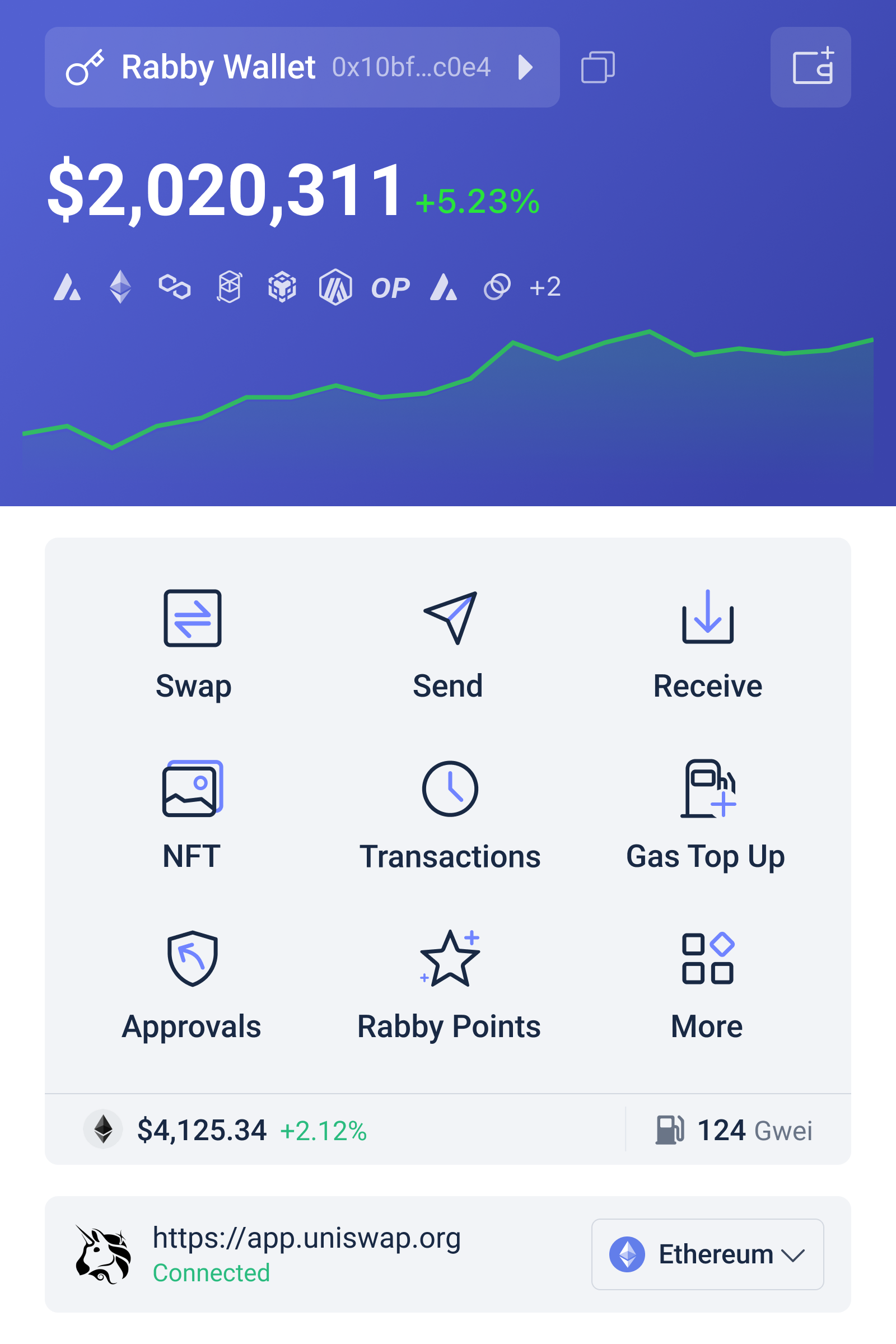
If you’re deciding which wallet to use for DeFi trades, check whether it simulates locally, exposes mempool-visible metadata, and offers a private submission path; one good example of a wallet that prioritizes simulation and clearer transaction previews is rabby wallet, which integrates pre-sign analysis into the flow so users see outcomes before committing.
I’m not 100% sure, but wallet-level protections should be seen as risk mitigation layers, like seat belts, not impenetrable shields.
Developers and advanced users can combine on-chain analysis with batching, meta-transactions, and gas auctions to further reduce measurable MEV, though those techniques increase complexity for average users.
On one hand you gain control and reduced exposure by outsourcing transaction ordering to specialized sequencers or using commit-reveal schemes, though actually those introduce dependencies (and sometimes KYCed relays) that many DeFi purists will rightly object to.
So it’s a messy, nuanced landscape.
Okay, so check this out—
If you’re building a threat model for a DeFi trade, start with these quick checks: what mempool visibility does the wallet expose, does it simulate the transaction locally or server-side, and does it offer private submission?
Then look at contract history: frequent sandwiching on the token pair or high flash-loan activity should bump your risk score.
Initially I downplayed token-level heuristics, but seeing a few live trades get hammered taught me that context matters: an obscure token with thin liquidity and an aggressive bot ecosystem is riskier than a blue-chip swap on a busy market, even when quoted slippage figures look similar.
Those simple signals often predict whether a simulated win will survive the real mempool.
This part bugs me
Many users ignore wallet privacy settings because the UI buries them or because speed is king.
That’s a bad tradeoff if you’re moving funds that matter.
I’m biased toward wallets that give users clear, actionable information right before a signature—things like a breakdown of gas v. miner tip, a visible simulation of token amounts post-fee, and a warning if the transaction interacts with contracts flagged by the community—because clear signals let non-experts still make safer choices without becoming security researchers.
Those ergonomics change the user’s default behavior, often for the better (and the difference feels small until you lose eth to a sandwich attack).
Seriously?
Yes—seriously, because the worst loss is the one you didn’t foresee.
MEV isn’t only about sandwiches; there are extraction patterns like reorgs, time-bandit attacks, and benign-looking order-flow manipulation that degrade returns.
On the other side, some so-called MEV-protecting features can be gamed if not carefully specified: for example, bundling transactions might prevent front-running but also concentrates risk in a sequencer, so your wallet needs to explain that tradeoff in plain language or users will pick the wrong defaults by accident.
Transparency is the unsung defense.
I’ll be honest…
I’m biased toward wallets that are open about what they don’t protect you from.
If a wallet promises “MEV protection” in a marketing puff but doesn’t disclose assumptions, watch out.
Initially I thought a vendor checklist would suffice, but after talking with builders and reading design docs I realized that verifiable, reproducible simulation and opt-in private submission are the real checkboxes—while vague claims about “bot protection” are often PR.
Trust but verify applies here, very very important to remember.
FAQ
Can a wallet eliminate MEV risk entirely?
No. Wallets can reduce exposure by simulating transactions, offering private submission routes, and surfacing risks, but they can’t eliminate systemic on-chain ordering incentives or sudden state changes between simulation and inclusion.
What should a casual DeFi user look for in a wallet?
At minimum: clear transaction previews, local simulation, simple slippage controls, and an option to use a private relay. If the wallet explains tradeoffs and surfaces contract risk, that’s a big plus.